Santiago Plan

Before you set off

Pilgrim's guide

The essentials for planning and walking the Camino de Santiago.

01

Choose your route

The Camino Francés is the most recommended for first-timers thanks to its waymarking and services. The Portuguese and English Ways are comfortable and short; the Primitivo and the Northern Way are more demanding and mountainous. Choose according to your experience and the days you have available.

02

The credential

It is the pilgrim's “passport”: needed to sleep in hostels and to apply for the Compostela. Get it from Jacobean associations, parishes or the hostel where you start, and stamp it every day.

03

Physical preparation

You walk between 20 and 25 km a day over several stages, often with elevation changes. Train with progressive walks six to eight weeks beforehand, using the backpack and footwear you'll actually wear.

04

Footwear

Boots or trail shoes that are already broken in, with good support and a solid sole. Never wear brand-new footwear on the Camino: blisters are enemy number one. Bring technical socks and a spare pair or two.

05

Rain and layers

In the north and in Galicia rain is almost guaranteed. Dress in layers and bring a good rain jacket or poncho that also covers your backpack. Travel light: your pack should not exceed 10% of your body weight.

06

The last 100 km

To earn the Compostela you must cover at least the final 100 km on foot (200 by bike) and stamp the credential twice a day along that stretch. Sarria is the most common starting point on the Camino Francés.

07

Book ahead

In summer, on long weekends and during a Holy Year, the hostels on the popular stages fill up quickly. Book your accommodation with time to spare, especially in Sarria and along the last 100 km.

Preparation guides

Prepare for your Camino
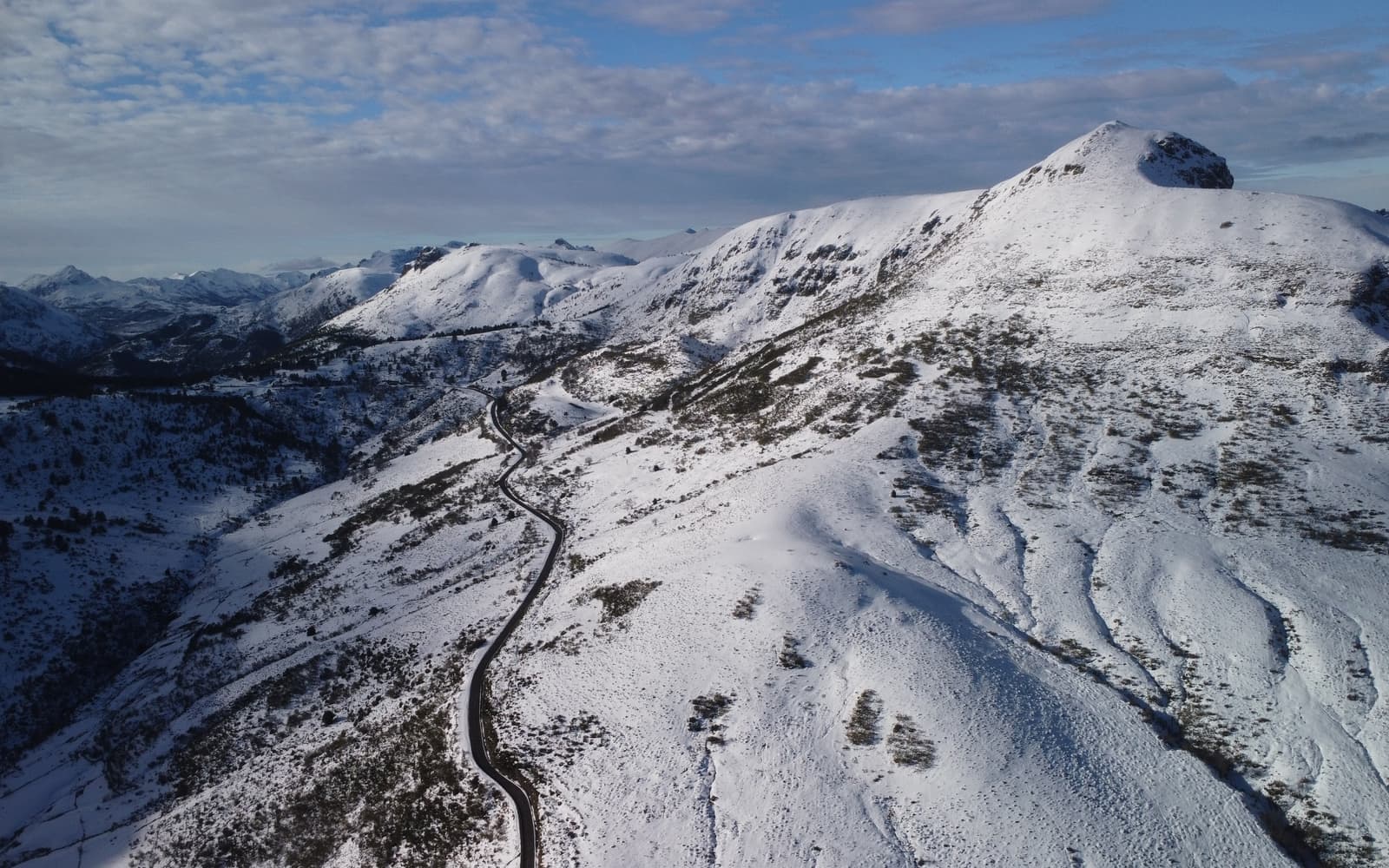
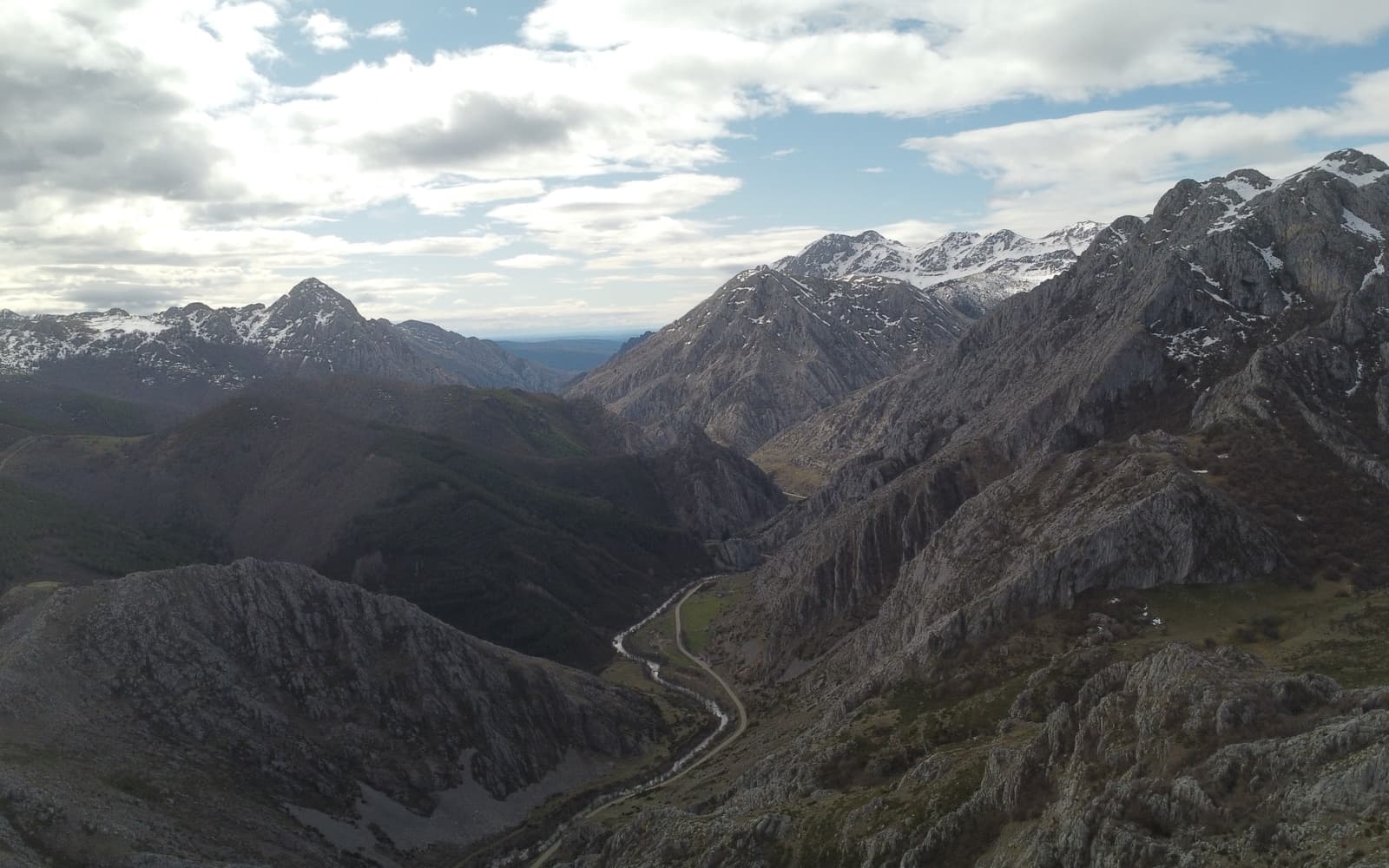
Montañas nevadas de León, Macizo de Mampodre© José Manuel Guerrero · Fotografía propia · © Todos los derechos reservados

First steps

How to start the Camino de Santiago

Which route to choose, how many days you need and where to set off on your first Camino.

Read the guide
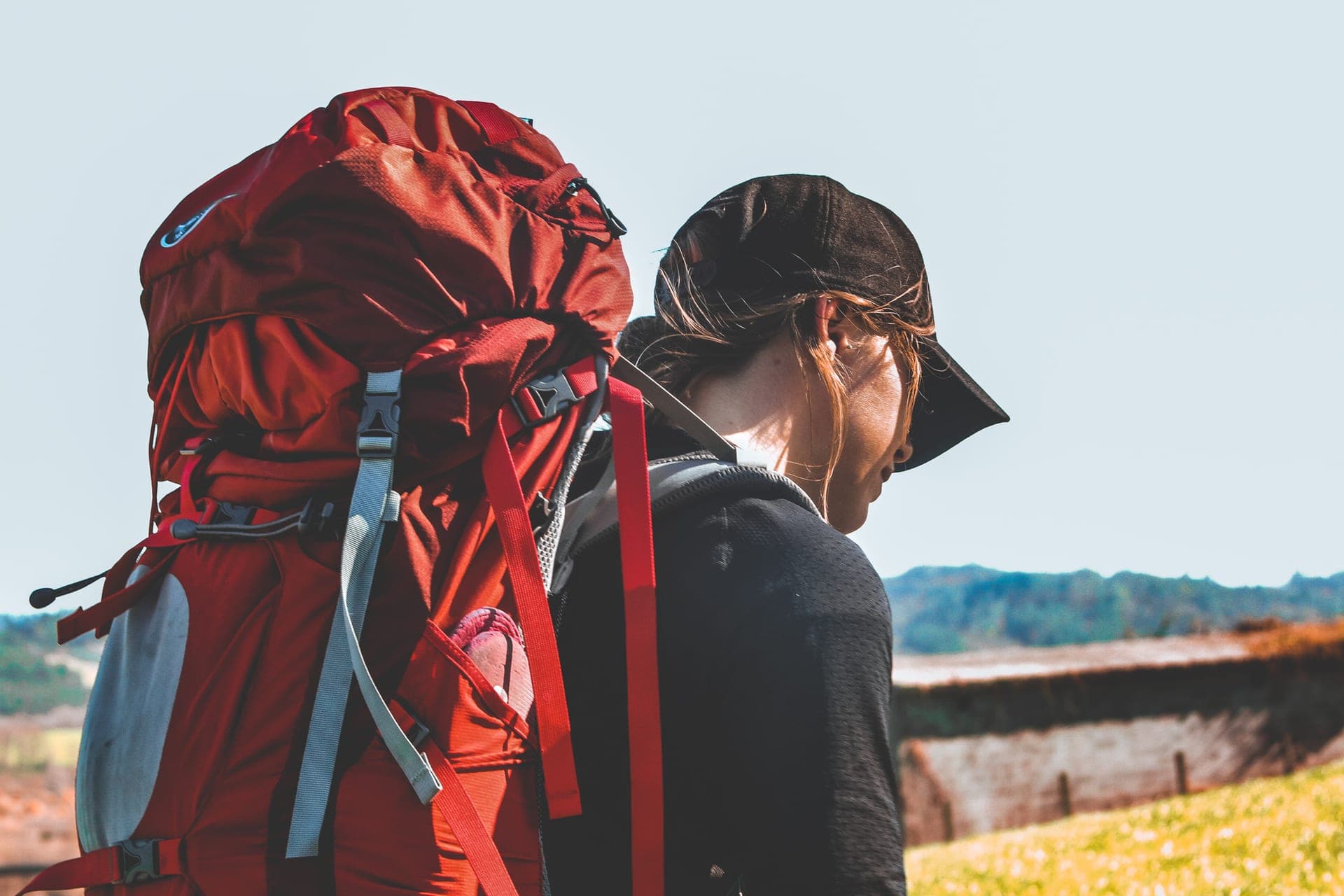
Peregrina caminando con su mochila hacia Santiago© Shirley Roots · CC BY 2.0

Gear · Backpack

What to pack for the Camino de Santiago

Just the right pack: feet, weight, rain and layers. On the Camino, less is more.

Read the guide
Valle de montaña en los Picos de Europa© José Manuel Guerrero · Fotografía propia · © Todos los derechos reservados

Physical preparation

How to train for the Camino de Santiago

You don't need to be an athlete, but arriving fit makes the difference between enjoying it and suffering.

Read the guide
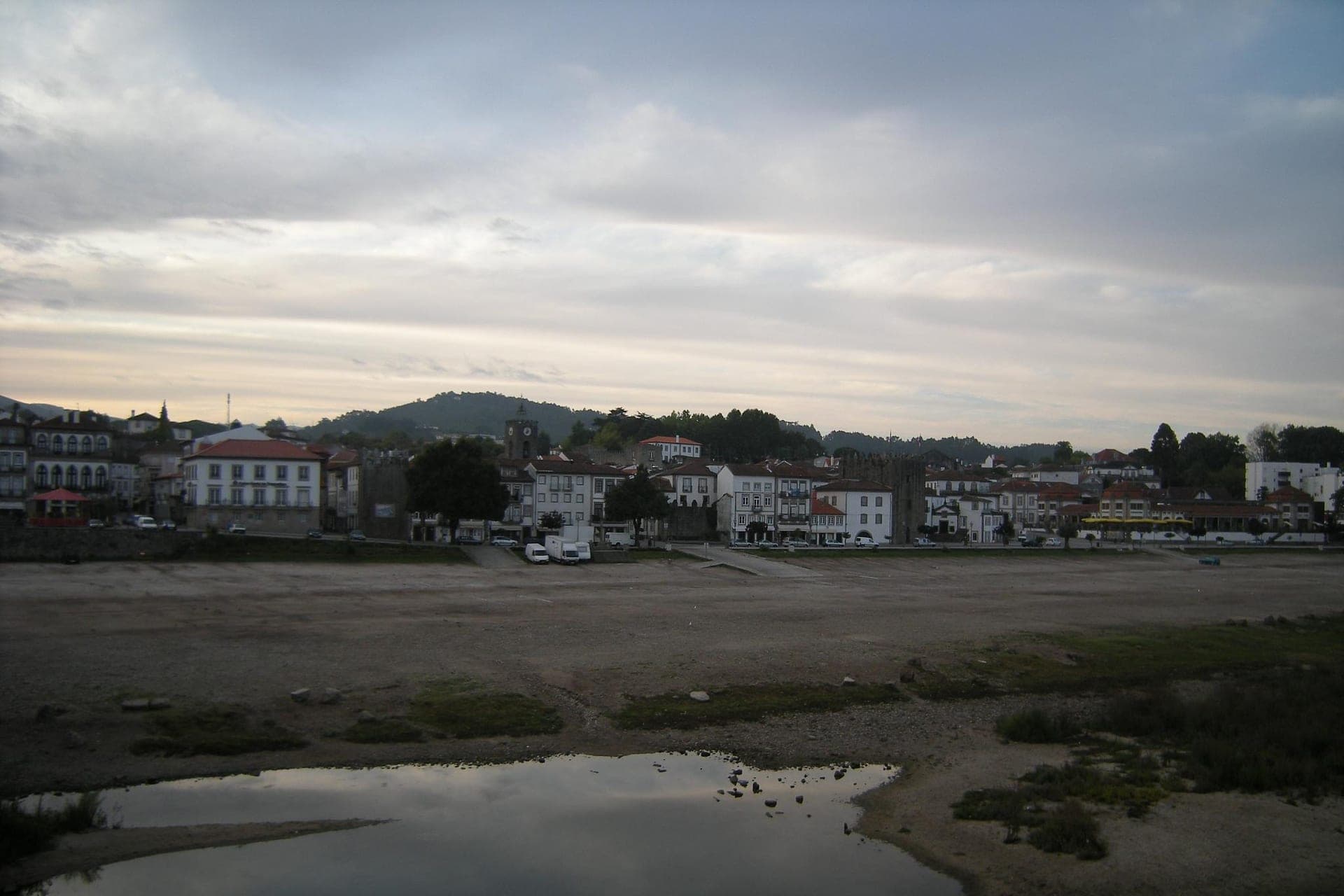
Camino Portugués a su paso por el campo gallego© José Manuel Guerrero · Fotografía propia · © Todos los derechos reservados

Budget

How much it costs to walk the Camino de Santiago

From 25 € a day in hostel mode to a good deal more with hotels: where the money goes.

Read the guide
Plaza del Obradoiro y catedral de Santiago de Compostela© Tiagox2 · CC BY-SA 3.0

Credential · Compostela

The pilgrim's credential and the Compostela

What they are, how to get them and what you need to certify your Camino.

Read the guide
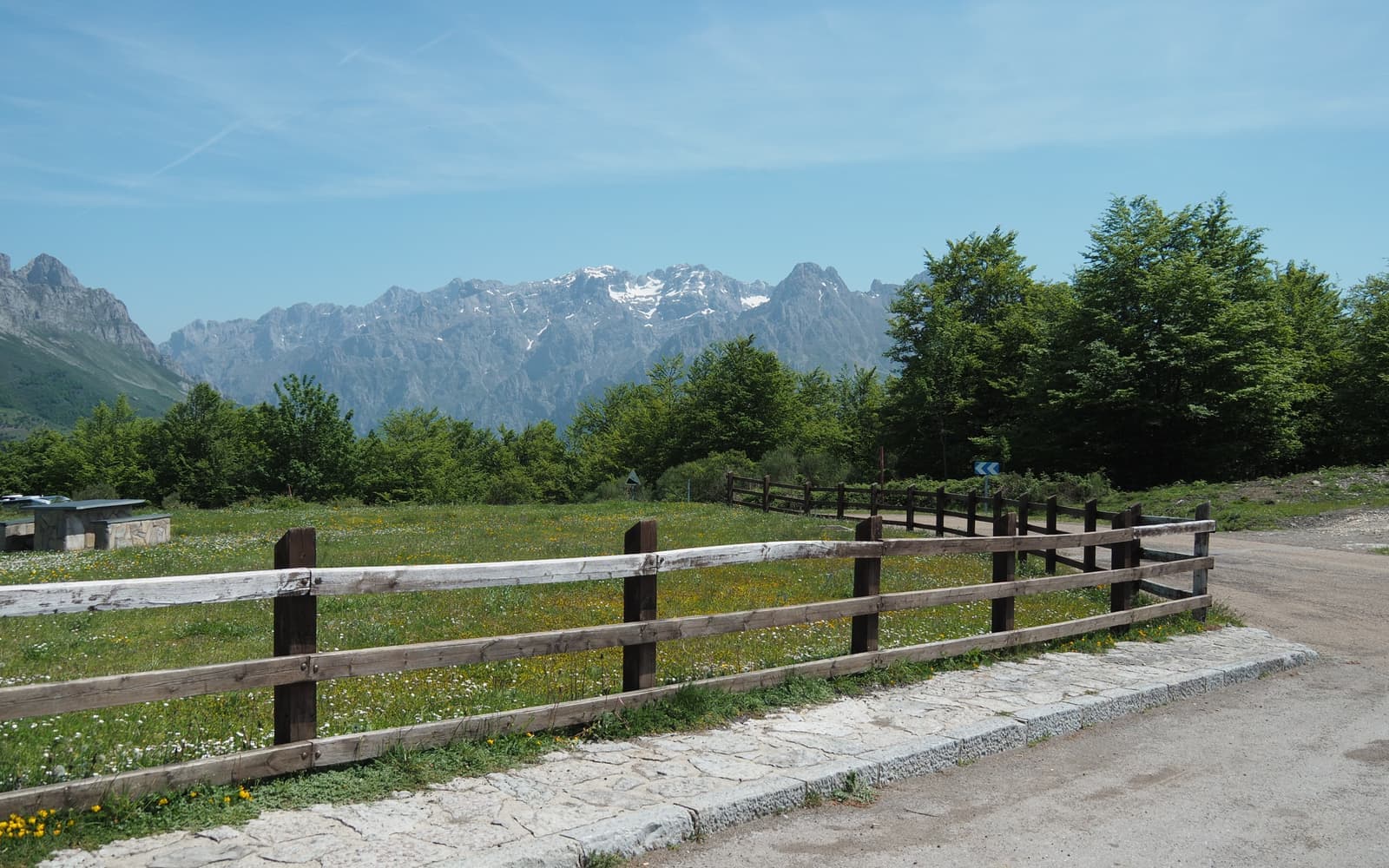
Prados y valla ante los Picos de Europa© José Manuel Guerrero · Fotografía propia · © Todos los derechos reservados

Services · Backpack

Backpack transport on the Camino de Santiago

Walk light: which companies carry your backpack from stage to stage, how it works and how much it costs.

Read the guide
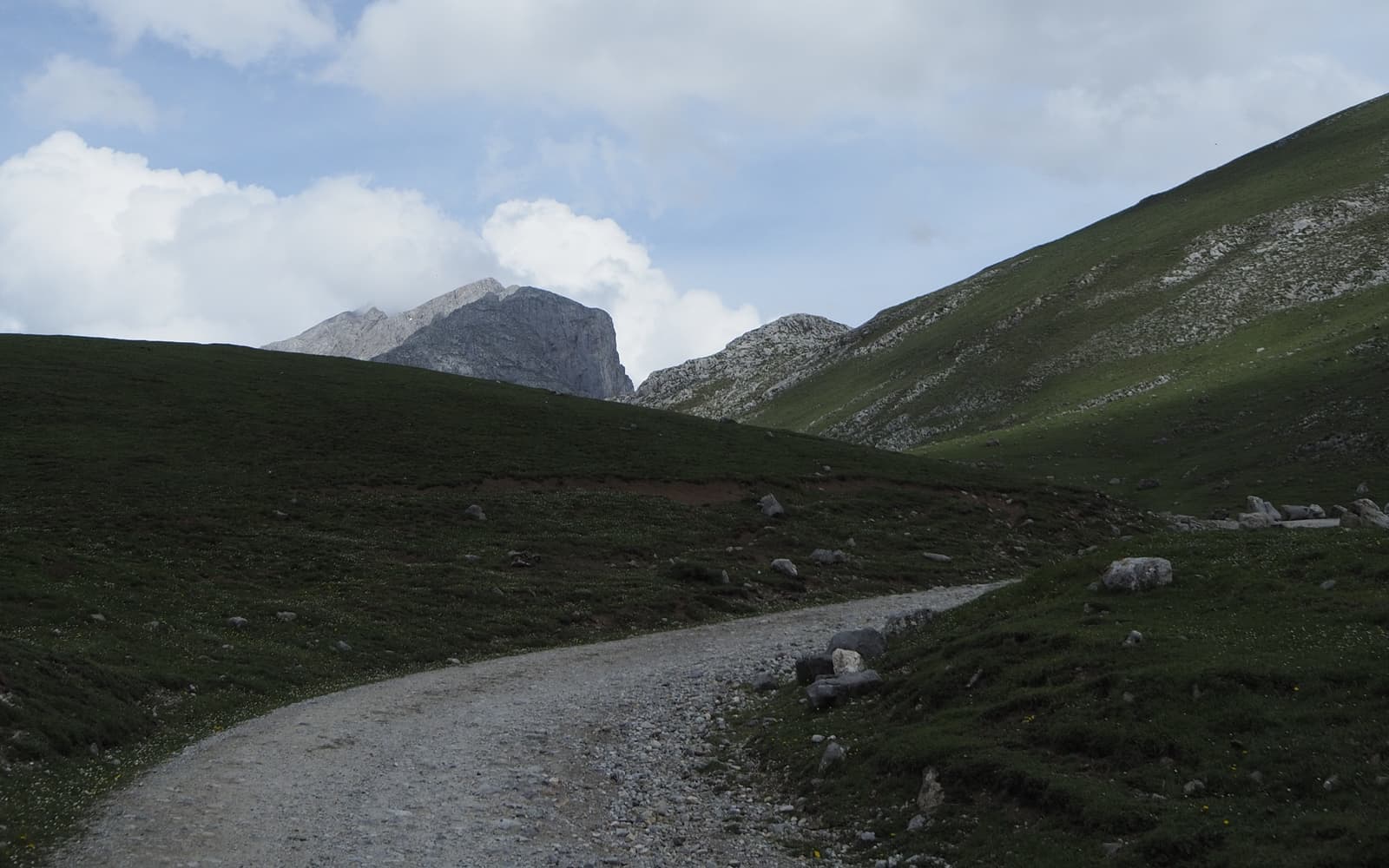
Sendero de montaña en los Picos de Europa© José Manuel Guerrero · Fotografía propia · © Todos los derechos reservados

Services · Insurance

Do I need travel insurance for the Camino de Santiago?

When you truly need it, what it should cover, and when you don't.

Read the guide

Start from a city

From reading to walking

You now know the essentials. Choose your route and save your plan so you don't miss a single detail.

Choose my route

Frequently asked questions

Common doubts

Which Camino is best to start with?+

The Camino Francés, for its waymarking, services and pilgrim atmosphere. If you have only a few days, the last 100 km from Sarria or the English Way from Ferrol are excellent alternatives.

How many kilometres do you need to walk for the Compostela?+

At least the final 100 km on foot or on horseback, or the final 200 km by bicycle, reaching Santiago and stamping the credential twice a day along that stretch.

How many days do I need?+

The full Camino Francés is around 33 stages (a little over a month). From Sarria, about 5–6 days. Many pilgrims walk it in sections over several years.

When is the next Holy Year (Xacobeo)?+

The next Compostelan Holy Year is 2027. The Holy Door of the cathedral opens on 31 December 2026 and stays open throughout 2027.

Can I download the GPX track for the routes?+

On each Camino's page we publish its stage information; we will be adding downloadable GPX tracks for each route so you can navigate without coverage using apps like OsmAnd or Wikiloc.

Do I need to be a member of a federation or travel in a group?+

No. The Camino can be done completely independently and solo. All you need is the credential for the hostels and the Compostela.